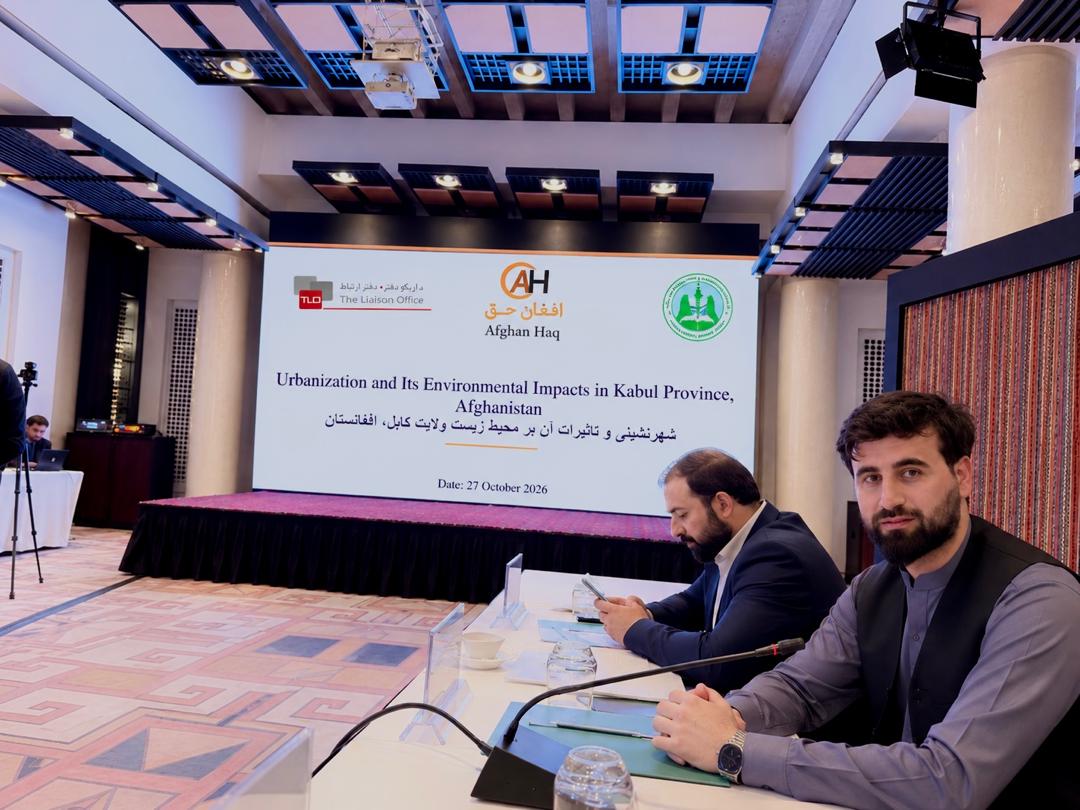
Final Meeting Held for the Research Project on the Urbanization and its Environmental Impacts in Kabul Province
Final Meeting Held for the Research Project on the Urbanization and its Environmental Impacts in Kabul Province
Kabul, Afghanistan – October 27, 2026
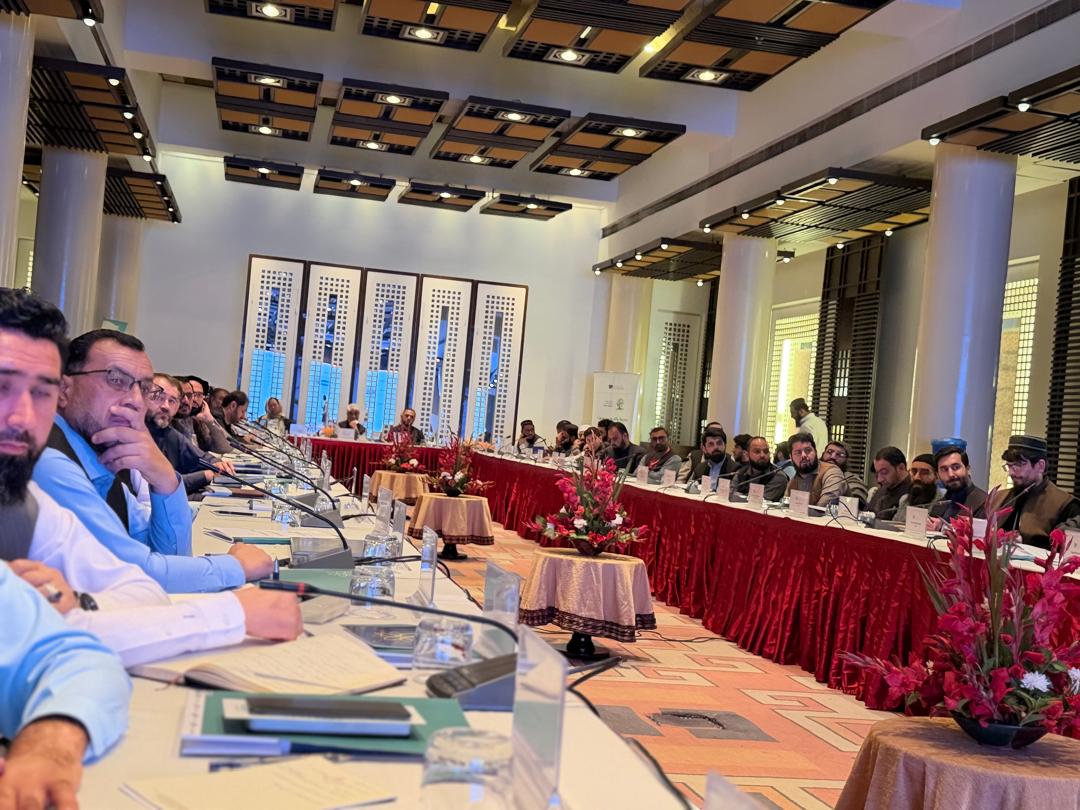
The final meeting of the research project entitled “Urbanization and its Environmental Impacts in Kabul Province,” implemented by Afghan Haq Company and the Liaison Office, was held at the Serena Hotel in Kabul, in coordination with the National Environmental Protection Agency (NEPA).
The meeting was attended by representatives of national and international organizations, relevant sectoral institutions, the European Union, and other organizations working in the environmental sector.
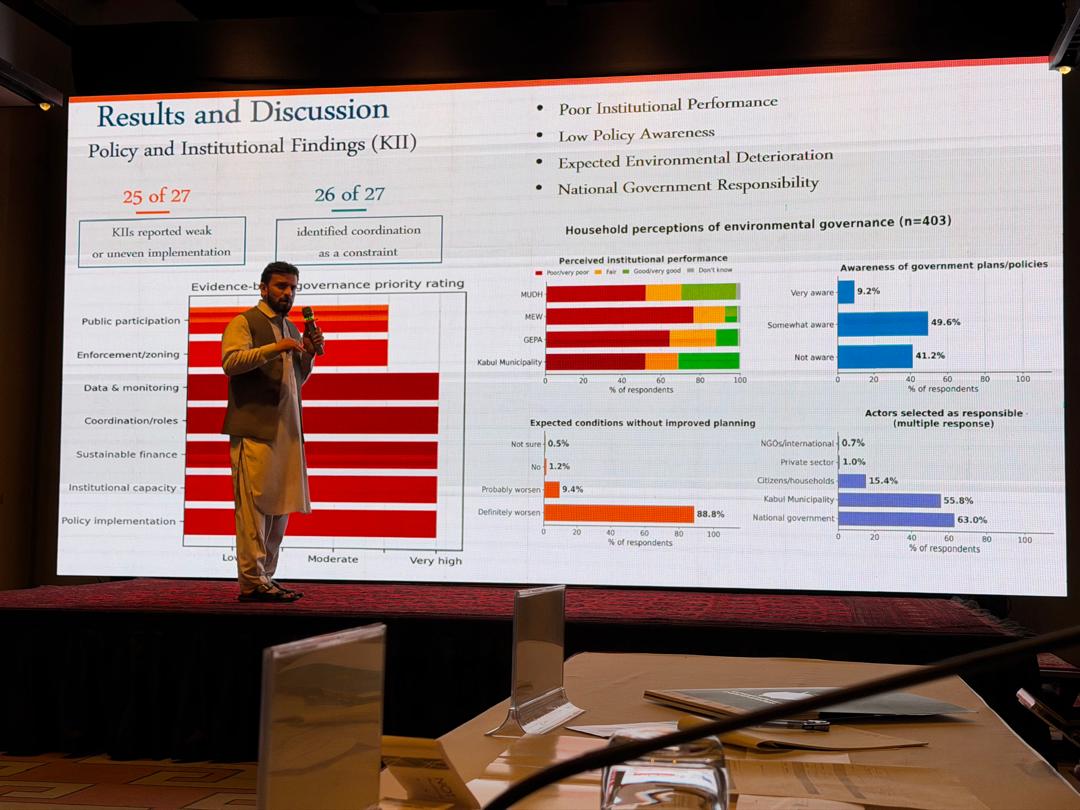
During the meeting, the findings, conclusions, and recommendations of the research project were presented by the Afghan Haq Company research team through a technical and professional presentation. The presentation was delivered on behalf of Afghan Haq Company by Mr. Professor Kawoon Sahak and was widely appreciated by the participants.
Research Methodology and Technical Approaches
To ensure scientific rigor and comprehensive analysis, the research employed a combination of quantitative and qualitative research methods, Geographic Information Systems (GIS), Remote Sensing, satellite imagery, administrative data, and field surveys.
These approaches provided a basis for examining changes in land use and land cover, assessing environmental conditions, understanding the challenges associated with urban growth, and exploring the institutional and governance capacities relevant to environmental management in Kabul Province.
Key Research Findings
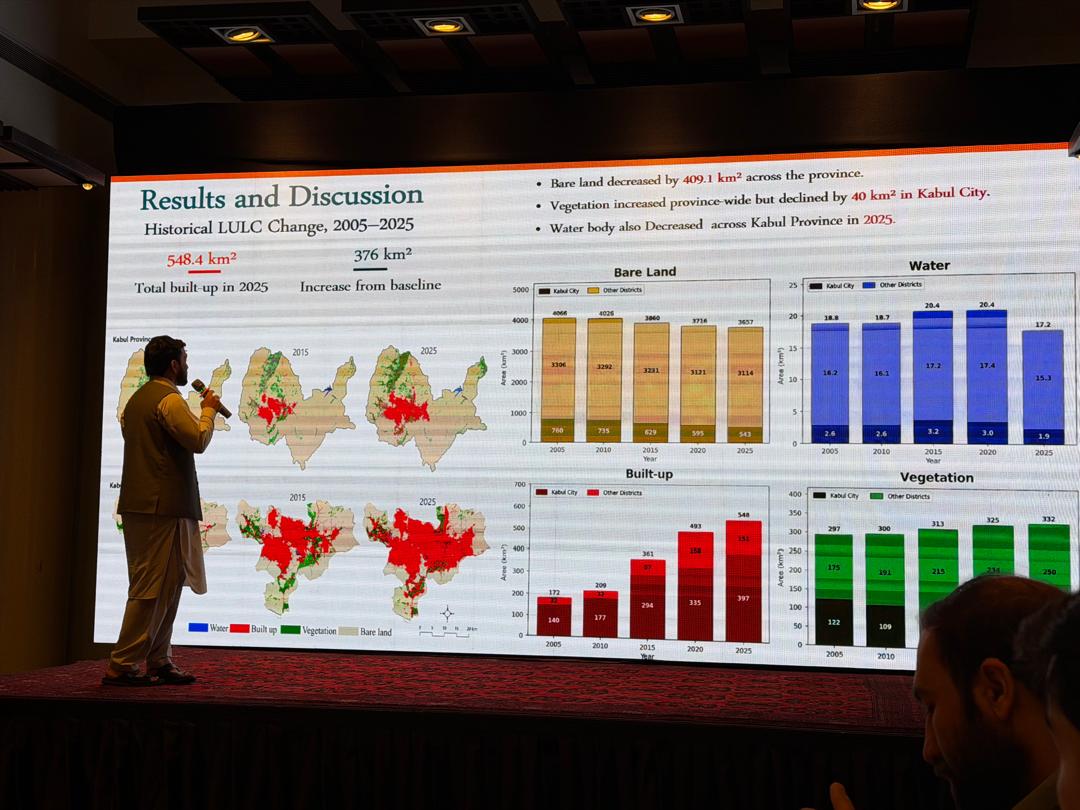
The study was conducted to assess the urbanization process in Kabul Province and its impacts on land, environmental quality, and public well-being. A major focus of the research was to examine land use and land cover changes between 2005 and 2025, patterns of urban expansion, environmental conditions, and the management and governance capacities of relevant institutions.
According to the research findings:
* Rapid urban expansion: Urban growth in Kabul has outpaced existing infrastructure, environmental monitoring, and governance capacities.
* Changes in land use and land cover: Built-up areas have expanded significantly, and further urban growth is likely to continue along the city’s outskirts and peri-urban corridors.
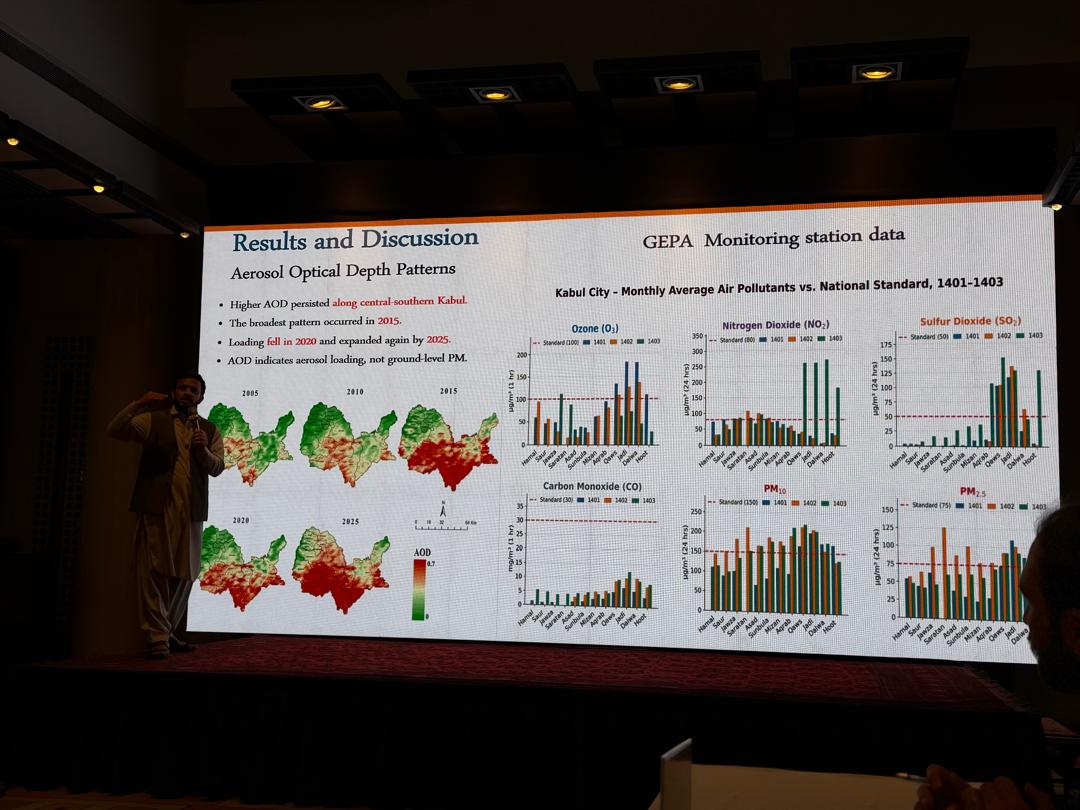
* Air pollution: Air pollution remains a major public health concern, while reliable ground-based air quality monitoring remains limited.
* Groundwater resources: Concerns regarding declining groundwater availability and deteriorating water quality are increasing.
* Solid waste management: Solid waste generation is increasing faster than existing collection, management, and disposal services can accommodate.
* Unequal environmental burdens: Environmental challenges and associated burdens are greater in urban and peri-urban communities with limited access to essential infrastructure and basic services.
* Institutional and governance challenges: Weak coordination among relevant institutions, difficulties in enforcing regulations, and limited information sharing constrain effective responses to environmental challenges.
Participants’ Feedback and Recommendations
Following the presentation, participants shared their views, recommendations, and suggestions regarding the importance, quality, and findings of the research project. They also commended the efforts made in conducting the study.
Participants emphasized that addressing Kabul’s growing environmental challenges requires joint efforts, sustained coordination, and practical action by national and international organizations, donor agencies, and relevant governmental and non-governmental sectoral institutions.
The discussions also highlighted the importance of effective urban development management, regular monitoring of air and water quality, strengthening solid waste management systems, protecting groundwater resources, and improving the collection and sharing of environmental data.
Afghan Haq Company’s Commitment
Through this research initiative, Afghan Haq Company has sought to provide evidence-based information on the environmental impacts of urbanization in Kabul Province and contribute to informed decision-making in policymaking, urban planning, and environmental management.
Afghan Haq Company believes that, with financial support and the expertise of its professional research teams, it can conduct scientific and professional research across various sectors and strengthen evidence-based decision-making processes.
The company further believes that research-informed decision-making, improved coordination among relevant institutions, and joint efforts by national and international partners can play a significant role in improving Kabul’s environmental conditions, protecting natural resources, and enhancing the quality of life of its residents.
Afghan Haq Company remains committed to supporting evidence-based research, professional collaboration, and practical solutions that contribute to sustainable urban development and a healthier environment for the people of Afghanistan.
Other Images